UI/UX & Prototype Design
Dive deep into user-centric research, digital interface design, and visual communication while mastering industry-standard design tools and techniques.
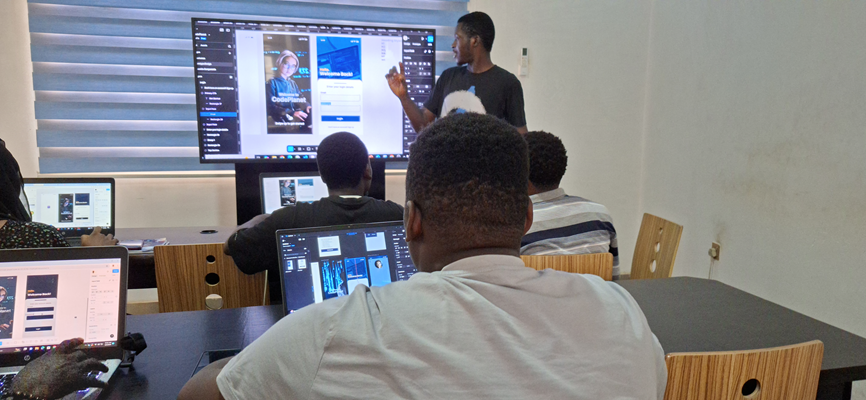
The UI/UX & Prototype Design course is a comprehensive, hands-on program that guides learners from foundational visual principles to advanced mobile, desktop, and brand asset design. Throughout this course, students will master the full design lifecycle—from user research and information architecture to wireframing, visual identity, vector graphics, and digital layout creation. With project-based exercises and real-world design tasks, participants develop practical skills in industry tools such as Figma, becoming adept at crafting compelling digital experiences and creative media. By the end, graduates will be equipped to design intuitive interfaces as well as high-impact graphic assets ready for creative agency and tech industry roles.
- Fee
- ₦100,000
- Format
- On-Site
- Course code
- PD401
- Frequency
- 3 days weekly
- Session
- 2 hours per session
Upcoming batches
Physical instructor
Learn with peers
Milestone projects
Accreditation backed
Welcome to UI/UX & Prototype Design Training
Skill Relevance
UI/UX and Prototype Design skills are among the most sought-after competencies across creative and tech industries globally. Blending visual design with user experience allows designers to craft holistic brand identities and digital interfaces. Recent global creative industry surveys show that over 85% of hiring managers prioritize multi-skilled designers who understand both visual branding and user-centric digital product design.
In Nigeria, expanding digital businesses, marketing agencies, and tech startups actively seek versatile visual communicators who can bridge graphics branding and UI design. With companies prioritizing strong brand presence and intuitive user interfaces to gain a competitive edge, graduates of this program stand at the intersection of product and visual design. UI/UX and visual designers command competitive compensation, making these skills highly monetizable for employment, agency roles, and freelance opportunities.
Key Benefits

TThe UI/UX & Prototype Design course is built around three core themes: foundational visual design, user experience execution, and creative career readiness. Students will deepen their expertise and confidence in the following ways.
Develop a strong understanding of visual design principles alongside user-centred UX framework—including typography, color harmony, layout compositions, usability, and brand consistency. Learn how to translate brand messaging and user requirements into clean, impactful visual assets and functional interfaces.
Strengthen your creative execution by learning how to tackle complex visual and digital design challenges systematically. Master industry-standard software tools such as Figma, Adobe Photoshop, and Illustrator to create compelling graphics, brand identities, high-fidelity wireframes, and digital design collateral.
Learn to create visually appealing interfaces through the application of typography, colour theory, spacing, layout, and visual hierarchy principles. Build confidence through real-world projects, feedback analysis, and continuous refinement, mirroring real-world design workflows for websites, web apps, and mobile applications.
Build a strong, professional design portfolio featuring brand assets, web/mobile UI components, and marketing collateral to stand out to employers, clients, and recruiters. Gain practical skills that align with in-demand roles such as UI/UX Designer, Visual Designer, and Brand Content Strategist.
Key Modules and Packages
Foundations of UI/UX & Figma Essentials
This module introduces UI vs. UX, user-centred design principles, and the fundamentals of using Figma. Learners explore the interface, layers, assets, workspaces, and basic object manipulation, building a strong foundation for practical design work.
Prototyping Concepts, UI/UX Principles & Typography
Students will learn the different prototyping stages (paper, low-fidelity, and high-fidelity prototyping), alongside UIUX principles such as hierarchy, colour theory, CTA design, and typography, including readability, alignment, spacing, and text structure, preparing learners to create clean, consistent, user-friendly layouts.
Layout Systems, Grids, Transitions & Micro-Interactions
This course also covers responsive breakpoints, auto-layout, flex properties, scroll behaviours, and grid systems. Students also explore animations, component states, transitions, and micro-interactions such as loaders, dropdowns, and checkboxes to create dynamic, intuitive interfaces.
Figma Community, Plugins & Project Publishing
Learners engage with the Figma global community, download resources, install plugins, and publish projects. This module builds collaboration and creativity while introducing platforms like Dribbble and Behance for showcasing design work professionally.
FigJam & Ideation Workflows
Students work on team projects, give and receive feedback, and manage collaborative workflows. In FigJam, they brainstorm, diagram, share ideas, and develop moodboards. The module strengthens teamwork, communication, and structured ideation for UX planning.
High-Fidelity Web & Mobile Interface Design
Learners design complete desktop and mobile interfaces, including dashboards, product pages, and authentication flows. They apply responsive design principles, prototype interactions, present designs, and prepare assets for handoff using Figma's inspection and export tools.
Feedback Analysis & Iteration
Students conduct usability tests, gather user feedback, and iterate on their designs. They apply UX testing methods like A/B testing and accessibility checks, refining their interfaces with error states, alerts, success messages, and interactive feedback behaviours.
Portfolio Development & Career Launch
The capstone module guides learners in packaging their work into a compelling, job-ready portfolio. Students craft case studies, highlighting problem-solving depth and business impact—ensuring graduates are equipped to pursue employment, internships, or independent consulting.
Labour Market Opportunities
UI/UX Designer / Product Designer Roles
Given the growing demand for user-centred digital products, our graduates are well-positioned to fill roles designing interfaces and experiences for websites, mobile apps, fintech platforms, e-commerce, and digital services both in local companies and global firms hiring remotely.
Freelance / Remote UI/UX Contractor
With polished portfolio projects and practical design skills, you can work as a freelance or remote UI/UX contractor. This offers flexibility and access to clients beyond local markets, making the course attractive for entrepreneurs, digital nomads, or side-hustle designers.
UX Researcher / Interaction Designer
For those inclined toward user research and interaction design, the course's focus on information architecture, user flows, and usability testing opens opportunities in roles centred on user research, UX analysis, interaction design, and accessibility not just visual design.
Startup & Product Founder
If you plan to build your own digital product-website, web app, or mobile app; this course equips you with the design capability to plan, prototype, and launch without needing an external designer. It's especially valuable for founders who want full control over product UX/UI.
What Our Students Say
My training experience at EarlyCode Institute has been very insightful and practical. The UI/UX training was beginner-friendly, well-structured, and focused on real-life design principles. The instructors were patient, supportive, and explained concepts clearly, which helped me understand UI/UX from the ground up. Overall, the training boosted my confidence and gave me a solid foundation to continue growing in design.
My UI/UX prototype design training is going smoothly,I have learnt a lot which was taught in a way that one cannot forget.
Freelancer
Who Should Attend
Beginners interested in product design
As a beginner, you will learn the core principles of visual hierarchy, typography, and color theory to create engaging user interfaces. By the end of the program, you will have a solid foundation to turn creative ideas into functional product concepts.
Graphic designers transitioning into UI/UX
For those already skilled in aesthetics, this course teaches you how to shift your focus from static layouts to interactive user experiences. You will learn to apply your existing design knowledge to digital systems, focusing on usability and accessibility standards. This transition will empower you to move beyond how it looks to mastering how it works for the end user.
Anyone interested in user research, prototyping, and mobile/web app design
This path dives deep into the psychology of the user, teaching you how to conduct interviews and synthesize data into actionable insights. You will gain hands-on experience with industry-standard tools to build low and high-fidelity prototypes that simulate real app behavior. It is perfect for those who want to oversee the entire design lifecycle, from initial wireframes to polished mobile and web interfaces.
Startup founders creating user-friendly digital products
Founders will gain the essential skills to design and validate their product ideas before investing in expensive development. You will learn how to create intuitive user flows that reduce friction and increase customer retention for your MVP. This knowledge ensures you can communicate effectively with developers and build a product that truly solves your target market's problems.
Individuals preparing for UI/UX freelance work or internships
This course focuses on building a professional-grade portfolio that showcases your problem-solving process to potential employers or clients. You will work on real-world projects, learning how to document your design decisions and present your case studies effectively.
Frequently Asked Questions
The UI/UX and Prototype Design course is a practical training program focused on creating great digital products (mobile app or website). It is about learning the entire process of designing an application or website from the ground up, with a strong emphasis on what makes a product easy and enjoyable for users.
UI (User Interface) focuses on the visual and interactive elements of a digital product. This is what the user(the person using the product) actually sees and interacts with. The goal is to make the interface beautifully pleasing and interesting. UX (User Experience) focuses on the user's overall experience with a product. The goal is to make the digital product useful, easy to use, and enjoyable. It's about the entire journey the user takes when interacting with a digital product
During the class, you'll learn the practical skills and have a portfolio of projects to start a career as a UI/UX designer.
No, UI/UX and Web Design are not the same thing, though they are very closely related and often overlap. UI/UX main focus is on design using an app or software, while Web Design main focus is on design using code.
The software or application used to teach UI/UX and Prototype Design is Figma