Ad by early code
Master Data Analysis Today
Build in-demand analytical skills with Early Code Institute's professional training programs in Abuja.
Data Analysis Training in Abuja: Excel, SQL & Power BI
Simon Joseph U - Published November 18, 2026
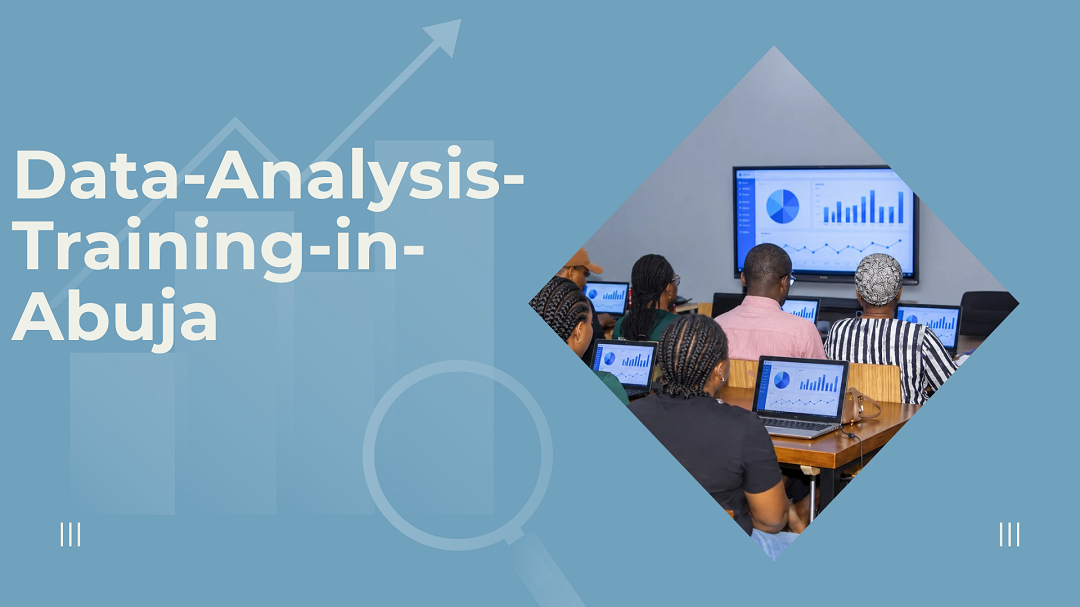
Businesses generate large amounts of information every day. From customer records and sales figures to financial reports and website activities, organisations collect data to understand their operations and make better decisions.
However, having information is not enough. Businesses need people who can organize, examine and interpret that information. This is where data analysts come
As more organisations adopt digital tools, data analysis has become a valuable skill for graduates, professionals and people looking to build a career in technology.
For anyone interested in learning this skill, enrolling in a Data Analysis & Power BI Training Program in Abuja can be a starting point. With the right training, learners can develop practical knowledge of data analysis tools, understand how businesses use information, and prepare for different career opportunities
Understanding Data Analysis And Its Importance
Data analysis is the process of collecting, cleaning, organizing and examining information to identify useful patterns and insights. It helps individuals and organisations to make decisions based on facts rather than assumptions.
For example, a retail business can analyse its sales records to identify its best-selling products, understand customer buying habits, and determine which periods generate the most revenue.
Data analysis is useful across different industries. Banks use it to monitor financial activities, hospitals analyse patient information, schools track academic performance, and businesses examine customer behaviour.
Learning data analysis helps individuals understand how information can be turned into useful insights that support everyday business decisions.
Expectation From Data Analysis Course In Abuja
A good data analysis course should take learners beyond basic definitions and introduce them to the practical process of working with data.
Although course structures differ between training centers, most programmes cover several important areas.
These include:
- Introduction to Data Analysis: Understanding data types, sources and the basic stages of analysis.
- Data Collection: Learning how information is gathered from different sources.
- Data Cleaning: Identifying and correcting missing, duplicate, or incorrect information.
- Data Organisation: Arranging information into a format that is easier to understand and analyse.
- Data interpretation: Examining results to identify patterns and useful findings.
- Reporting and Presentation: Communicating findings through reports, charts and visual presentations.
Some training programmes also include practical projects where learners work with datasets and solve problems similar to those found in real workplaces.
Before enrolling in a data analysis course in Abuja, it is worth checking whether the programme includes practical exercises alongside classroom lessons. Review our flexible Data Analysis course price to get started.
Advance Your Career with Corporate Tech Training in Abuja

Nyanya Learning Center
Services: Trainings, Mentorship, SIWES Placement, and Internship
Essential Tools And Software Used In Data Analysis
Data analysts use different tools to organize information, perform calculations, examine datasets and present findings. The tools taught during training will depend on the course level and learning objectives.
Some important tools include:
- Microsoft Excel : Excel is commonly used for organising information, performing calculations, creating charts and analysing datasets. Beginners often start with excel because it introduces important data handling concepts.
- Structured Query Language (SQL) : SQL is used to retrieve and manage information stored in databases. It allows analysts to find specific records, combine information, and answer questions using large datasets.
- Microsoft Power BI: Power BI helps analysts transform data into interactive charts and dashboards that make information easier to understand.
- Python: Python is a programming language used for data manipulation, automation, and more advanced analysis. It is particularly useful when working with larger data-related repetitive tasks.
Learning these tools gives beginners a practical foundation for handling different data related tasks. Read about our Licensed Tech School in Abuja to learn more.
The Importance Of Power BI Training In Abuja
Power BI is one of the important tools used in business intelligence and data visualisation. Developed by Microsoft, it allows users to connect to different data sources, organise information, and create interactive reports.
Instead of presenting large amounts of information in spreadsheets, analysts can use Power BI to create dashboards that display important business figures in a clear format.
For example, a company can use a Power BI dashboard to monitor monthly sales, compare product performance, and track customer trends.
During Power BI training in Abuja, learners should have the opportunity to understand:
- Connecting Power BI to different data sources.
- Cleaning and transforming information using Power Query.
- Creating charts, tables and interactive dashboards.
- Understanding data modelling.
- Using basic DAX calculations.
- Sharing reports and presenting Findings.
Learning Power BI alongside Excel and SQL can help learners understand different stages of the data analysis process. It also gives them practical experience with tools used in reporting and business intelligence.
Choosing the right data analysis training center in Abuja
Choosing where to learn is an important part of starting a data analysis journey. Not every training programme offers the same learning experience, so it is important to consider what a course provides before enrolling.
Here are some things to look out for:
- Experienced Instructors: Choose a programme with instructors who understand data analysis and can explain technical concepts clearly.
- Practical Training: Look for courses that allow learners to work with datasets, perform analysis, and create reports instead of focusing entirely on theory.
- Course Structure: A good programme should have a clear learning path, starting with basic concepts before introducing more advanced tools.
- Access to Learning Resources : Check whether learners receive the software, material and guidance needed to practice outside the classroom.
- Projects and assessments: Practical assignments help learners test their knowledge and understand how data analysis works in real situations.
You should also consider the training duration, class format, course fees and any additional support provided after training. Read more on our About Page.
"Employment of operations research analysts and data professionals is projected to grow much faster than the average for all occupations as organizations increasingly rely on data-driven insights to make strategic business decisions."
Career Opportunities After Completing A Data Analysis Course
Learning data analysis can prepare individuals for different roles across several industries. The opportunities available will depend on their skills, experience, and ability to work with data.
Some career paths include:
- Data Analyst: collects, cleans, and examines information to identify useful insights.
- Junior Data Analyst: Supports data collection, reporting and analysis under the guidance of experienced professionals.
- Business Intelligence Analyst: Uses data and reporting tools to help organisations understand business performance.
- Reporting Analyst: Prepares reports and dashboards to communicate important business information.
- Data Support Assistant : Helps maintain datasets, organise records and support data related operations.
There are also opportunities to provide freelance services, such as preparing business reports, cleaning datasets, and creating Power BI dashboards.
However, completing a course does not automatically guarantee employment. Practical experience, problem-solving abilities, and a good portfolio are important when applying for jobs or seeking clients.
Building A Career Through Practical Data Analysis Skills
One of the best ways to improve your chances of entering the data analytics field is to demonstrate what you can do.
After completing training, try working on personal projects using publicly available datasets. You could analyse sales information, examine customer trends, or create a dashboard showing business performance.
Keep your completed projects in a portfolio that potential employers and clients can review. Explain the problem you worked on, the tools you used, and the findings from your analysis.
You should also continue improving your knowledge of Excel, SQL and Power BI as you gain experience.
Practical experience helps you to move beyond simply knowing how to use analytical tools. It shows that you can apply your knowledge to real problems and communicate useful findings.
| Data Tool | Core Purpose & Application |
|---|---|
| Microsoft Excel | Spreadsheet management, basic calculations, and charting. |
| SQL | Database querying, record retrieval, and dataset merging. |
| Microsoft Power BI | Business intelligence, interactive dashboards, and visual reporting. |
| Python | Advanced data automation, scripting, and predictive analysis. |
Data analytics proficiency enables businesses and public agencies to replace intuition-based decision-making with evidence-backed insights, boosting operational efficiency and revenue growth.- Global Business Intelligence Research
Data analysis is a valuable skill for people interested in technology, business intelligence, and working with information. With the right training, beginners can learn how to organise data, identify patterns and present findings that support better decisions.
Enrolling in a suitable data analysis course in Abuja can provide a structured way to develop these abilities. Learning tools such as Excel, SQL and Power BI, alongside regular practical exercises, can help build a strong foundation.
For anyone considering a career in this field, the important thing is to start with the basics, practise consistency, and build projects that demonstrate their abilities. With time and experience, these skills can create opportunities across different industries. You can also check out our online Private Classes
Data Analysis Training GuidePublished by Early Code Institute, Abuja, Nigeria
Official Website: earlycode.net
Author's Bio

Simon Joseph Uche
Content Developer (web articles)I am Simon Joseph Uche, a Full Stack Web Developer and Content Developer at Early Code Institute. I am responsible for building and maintaining responsive websites and developing engaging web articles and content for the institute's platforms. I focus on clean code, clear content, and user-friendly website experiences, using modern technologies like JavaScript, React, and Next.js.