Ad by early code
Mobile Development Training
Early Code Ltd offers practical mobile app development training in React Native, Android, and iOS for aspiring developers in Abuja.
Mobile Development in 2026: How to Start a Career in Mobile App Development
Simon Joseph Uche - Published October 14, 2026
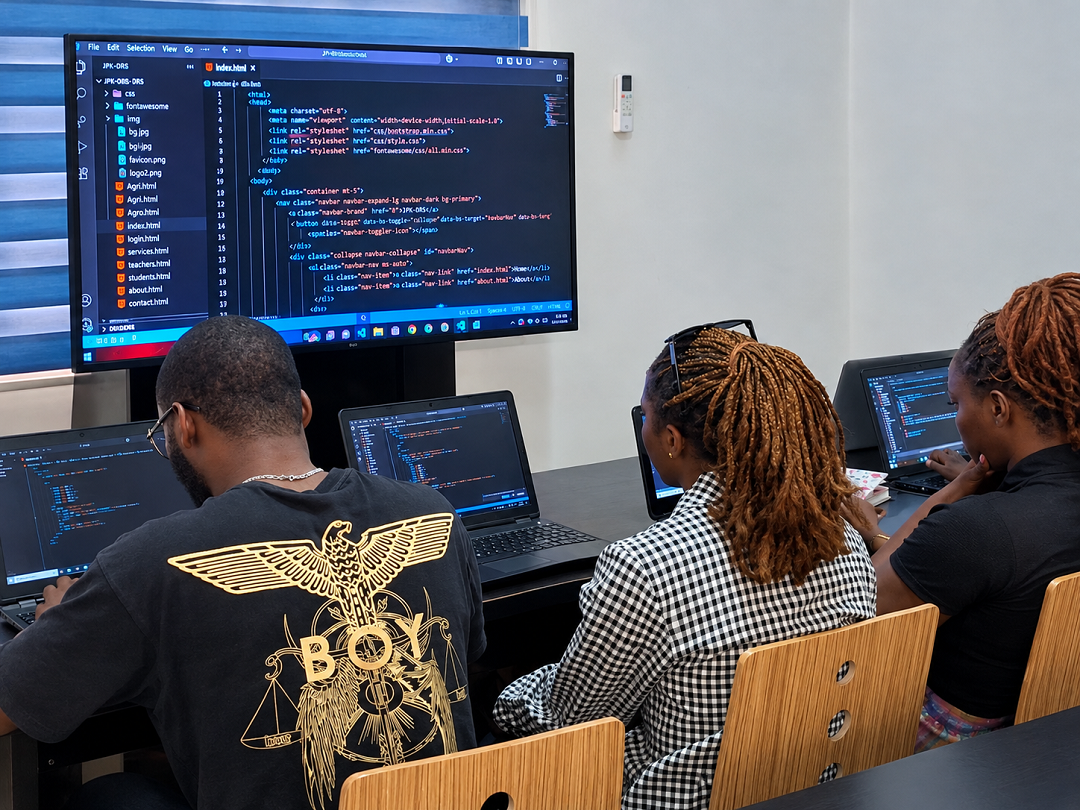
Mobile development is one of the most practical areas of software development for people who want to build digital products and solve real-world problems. From banking and shopping applications to education, healthcare, transportation, and entertainment, mobile apps help people access services directly from their smartphones.
As businesses continue to invest in digital solutions, learning mobile development can create opportunities for employment, freelancing, entrepreneurship, and remote work. However, success requires more than learning to write code. Beginners need to understand the development process, choose the right tools, build practical projects, and keep improving their skills.
This guide explains how to start mobile development, the skills to learn, career opportunities in 2026, and the earning potential of mobile developers. Explore our Early Code Institute Course Directory for hands-on tech programs.
Mobile Development Breakdown
Mobile development is the process of designing, building, testing, publishing, and maintaining applications for mobile devices such as smartphones and tablets.
There are three common approaches to mobile app development:
- Android development: Building applications for Android devices using technologies such as Kotlin and Android Studio. Learn more through our dedicated Android Development Course.
- iOS development: Creating applications for Apple devices using Swift and Apple's development tools.
- Cross-platform development: Building applications for both Android and iOS using frameworks such as Node.js or React Native. Check out our specialized mobile app development training program.
Each approach has advantages. Native development offers access to platform-specific features, while cross-platform development allows developers to share much of their code between platforms.
Build Your Mobile App Development Skills with Early Code in Abuja

Nyanya Learning Center
Services: Trainings, Mentorship, SIWES Placement, and Internship
The Demand For Mobile App Development in 2026
Mobile app development remains a relevant career path in 2026 because businesses use mobile applications to serve customers, process payments, manage services, and improve operations. Software development employment overall is projected to grow in the United States between 2025 and 2035, although this does not guarantee the same growth rate in every country or for every mobile specialisation. U.S. Bureau of Labor Statistics.
In Nigeria, potential opportunities exist in fintech, e-commerce, education, healthcare, logistics, telecommunications, and technology startups. Companies need developers who can build reliable applications, integrate payment systems, connect to backend services, and provide good user experiences.
However, demand does not mean every beginner will find a job immediately. Competition exists, particularly for entry-level roles. Practical experience, a strong portfolio, problem-solving ability, and communication skills can help applicants stand out.
How to Start Mobile Development
Starting mobile app development may seem difficult at first, but with the right approach, anyone can learn it. The first step is to understand what mobile app development means. It involves creating applications that run on smartphones and tablets, such as educational apps, games, shopping apps, social media platforms.
You do not need to be an expert in coding to get started. At Early Code Institute, we train you to become a professional Mobile app developer in just 3 months. Review our comprehensive PVC Mobile Development Curriculum to see how we structure practical learning.
Next is to understand the basics of programming. Learning Typescript helps you write clear, reliable code, while React Native allows you to build mobile applications for Android and iOS using a shared codebase.
Learning how to create simple interface, handle user interactions, and manage data. You can begin with small projects, such as a calculator, a to-do list or a personal expense tracker. These projects help you practice what you learn and build confidence.
You should also get comfortable using tools like Visual Studio Code, Node.js, and Expo, which make developing and testing your application easier.
Most importantly, keep practicing. You will make mistakes along the way, but each challenge is an opportunity to improve your skills.
At Early Code Institute, you can develop practical skills, work on real projects, and take your first steps towards becoming a mobile app developer. Learn more about our learning environment on the Early Code Institute About Page.
What Mobile Developers Do
Mobile developers handle different responsibilities throughout an application's lifecycle. Their work commonly includes:
- Designing and developing application features.
- Writing, reviewing, and maintaining code.
- Connecting apps to APIs, databases, and external services.
- Testing applications and fixing technical problems.
- Improving performance, security, and usability.
- Updating applications to support new devices and operating-system versions.
- Collaborating with designers, backend developers, testers, and product managers.
The exact responsibilities depend on the company, project, and developer's experience. Explore how backend skills complement mobile roles through our Full-Stack Web Development Course.
Mobile Developer Salary and Earning Opportunities
Mobile developer earnings vary by experience, location, employer, technology, and whether the developer works locally or internationally.
In Nigeria, salary estimates published for 2026 differ considerably. One salary guide reports approximately ₦150,000–₦250,000 monthly for some entry-level roles, while experienced developers may earn substantially more. These figures are indicative rather than guaranteed; actual offers depend on the employer and the developer's skills. Profolio's 2026 salary guide.
Mobile developers can earn money through several routes:
- Full-time employment: Working for technology companies, banks, startups, or other businesses.
- Freelancing: Developing applications for clients and charging per project or milestone.
- Remote employment: Working with companies based in other countries.
- Entrepreneurship: Creating and monetising an application or offering software products to businesses.
- Contract development: Building or maintaining applications for a specific period.
Strong technical skills, reliable delivery, communication, and the ability to solve business problems can improve earning potential over time.
Artificial Intelligence and the Future of iOS Development
AI is changing software development by helping programmers generate code, identify errors, write tests, and understand unfamiliar technologies. However, AI is not simply replacing mobile developers. Applications still require people to understand user needs, make architectural decisions, verify AI-generated code, protect data, and maintain software.
This applies to iOS developers as well. AI tools may automate routine tasks, but developers who understand Swift, Apple's frameworks, application security, performance, and user experience can use those tools to work more effectively.
The best approach is to learn mobile development fundamentals while also learning how to use AI responsibly. Avoid relying on generated code that you cannot explain, test, or maintain.
Android Development as a Career in 2026
Android development remains a career path worth exploring in 2026, especially for people who enjoy technology, problem solving, and creating useful mobile applications. Businesses use mobile apps to reach customers, and the need for skilled developers is in high demand.
Android is also a useful option for developers who want to create applications for a wide range of devices and users. Nevertheless, career success depends on practical ability, project quality, and available opportunities, not just the popularity of the operating system.
However, getting a job takes more than just completing a course. Practical experience, problem-solving skills, and a strong portfolio matter. Before choosing this career, explore current job listings, review the skills employers request, and build a small Android application to see whether you enjoy the work. Learn how our PVC Admissions and Tech Career Track can help guide your pathway.
Software development roles are projected to show strong global demand over the 2025–2035 decade, with mobile-first platforms driving cross-industry digital transformations.- U.S. Bureau of Labor Statistics
Mobile development offers a practical route into software engineering, with opportunities in employment, freelancing, remote work, and entrepreneurship. The best way to begin is to learn programming fundamentals, choose Android, iOS, or cross-platform development, and build progressively more useful applications.
The major points to remember are:
- Choose one development path and learn it consistently.
- Practise by building real projects rather than relying on tutorials alone.
- Learn APIs, databases, testing, Git, and basic application security.
- Create a portfolio that demonstrates your ability to solve problems.
- Use AI tools to support your work without neglecting core programming skills.
- Research the job market and salary ranges before making career decisions.
With consistent practice, patience, and a willingness to learn, beginners can develop the skills needed to pursue mobile development opportunities in 2026 and beyond. Get started today!
Early Code Institute - Mobile App Development DepartmentEarly Code Training Hub, Abuja, Nigeria
Official Website: earlycode.net
Author's Bio

Simon Joseph Uche
Content Developer (web articles)I am Simon Joseph Uche, a Full Stack Web Developer and Content Developer at Early Code Institute. I am responsible for building and maintaining responsive websites and developing engaging web articles and content for the institute's platforms. I focus on clean code, clear content, and user-friendly website experiences, using modern technologies like JavaScript, React, and Next.js.