Ad by early code
Empower Your Child With Coding
Transform your child's screen time into a productive learning journey with Early Code's Private Virtual Classes for kids.
Beyond Screen Time: What Your Child Can Create By Learning to Code
Anna Edeghoghene Enerieta - Published October 3, 2026
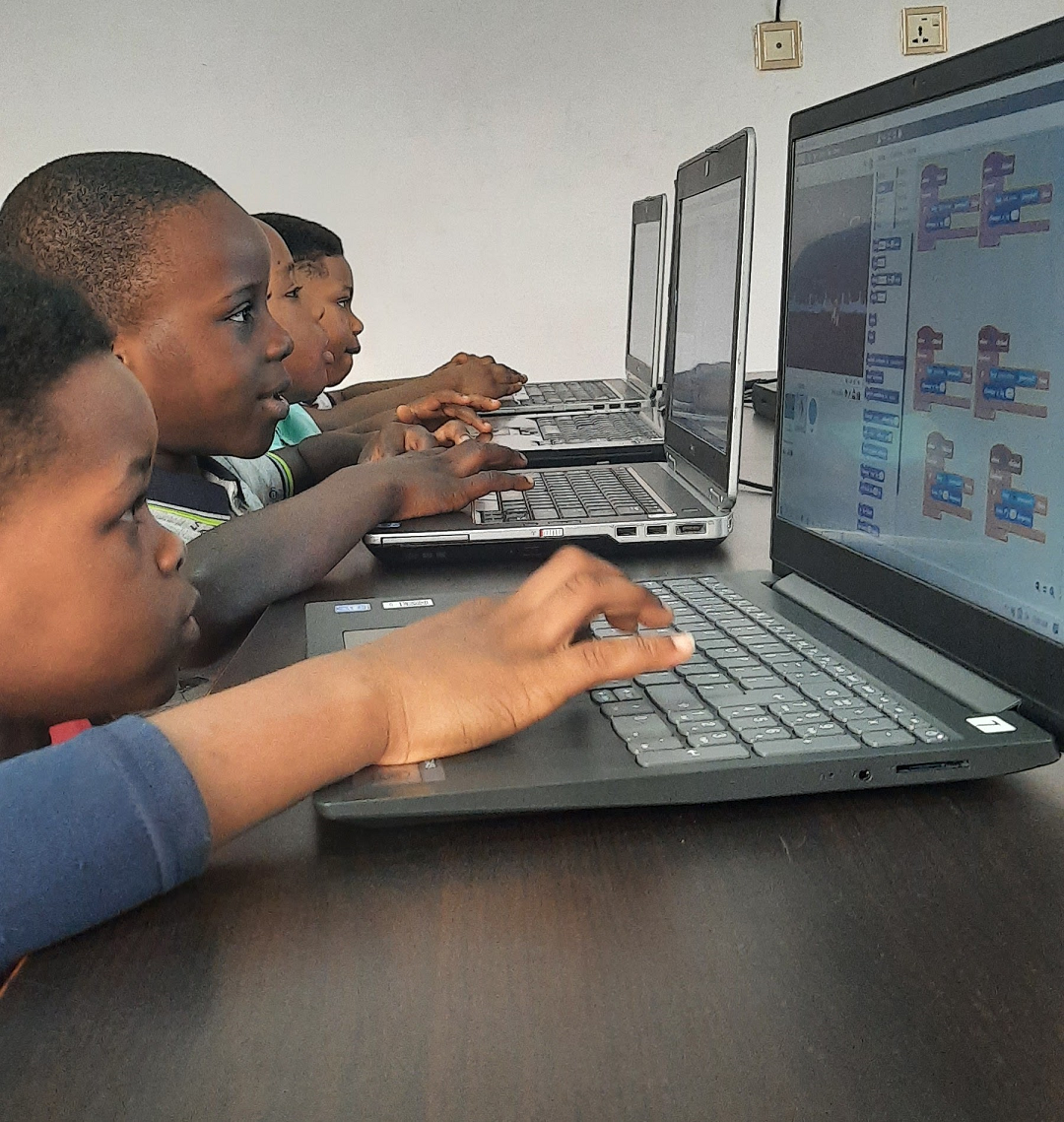
For many parents, screen time can feel like a constant battle. Children spend hours watching videos, playing games, scrolling through content, and using apps created by other people. But what if screen time could become more than entertainment? What if your child could use that same technology to create something of their own?
Coding is not simply about teaching a child how to write lines of computer instructions. At its heart, coding is a creative skill. It gives children a way to take an idea in their imagination and turn it into something that works on a computer or other digital device. A child who learns to code is not only learning how technology works, they are learning how to use technology to express ideas, solve problems, experiment and create.
At Early Code Institute, this approach is reflected in its online coding programs for children, the Private Virtual Classes (PVC). Through personalized virtual instruction, children can learn coding with the guidance of a tutor while developing practical skills and working toward creating digital projects. The one-on-one nature of private classes also gives the learning experience room to adapt to a child’s pace, questions, and level of understanding. For parents, this changes the way screen time can be viewed. The question is no longer simply, “How much time is my child spending on a screen?” A more useful question might be, “What is my child learning to do with that screen?” Because behind every game a child plays, website they visit, or app they use is an opportunity to understand how technology is made. Coding can give children the tools to move from asking, “Can I use this?” to asking, “Can I create this?” and most times, that simple shift, from consumer to creator, is where a child’s digital journey really begins. Explore our interactive PVC Coding Courses for Kids to jumpstart their learning.
Empower the Next Generation with Practical Tech Skills in Abuja

Nyanya Learning Center
Services: Trainings, Mentorship, SIWES Placement, and Internship
Can Your Child Build Their Own Website?
A website may seem like something that only professional developers can create, but children can learn the foundations of web development and build simple webpages of their own. Imagine your child having an idea for a personal webpage: perhaps a page introducing themselves, a website about their favorite hobby, a page showcasing their drawings or photography, or even a simple webpage for a school project. With HTML and CSS, they van begin turning that idea into something they can actually see in a web browser.
HTML provides the basic structure of a webpage/ it helps a child understand how to place things such as headings, paragraphs, images, links, lists, and other content on a page. Think of it as creating the structure or building blocks of the website.
CSS, on the other hand, helps determine how that website looks. Children can use CSS to experiment with fonts, colors, spacing. Backgrounds, borders, and the arrangement of different elements on the page. This allows them to combine logical thinking with their own sense of creativity and design. Discover more about core web technologies in our standard Web Development Course.
The exciting part is that children can see the results of their work almost immediately. They can write some HTML, open the webpage, and see their words and images appear. They can then change the CSS, refresh the page, and watch the design change. This creates a very different learning experience from simply reading about how websites work. That experience can make technology feel less mysterious. Instead of seeing a website as something that simply appears on a screen, the child begins to understand that every webpage has structure, design and code behind it and that they can learn the skills to create those things themselves. For a child, that first simple website can be the beginning of something much bigger, a growing portfolio of projects, a deeper interest in technology, and the confidence to keep asking, “What else can I build?” Check our detailed PVC Web Design Course designed specifically for young learners.
How Can Kids Make Websites Interactive with JavaScript?
If HTML provides the structure of a webpage and CSS helps determine how it looks, JavaScript adds interaction and behavior. It allows children to write instructions that tell a webpage what to do when a user clicks, types, selects, or performs another action. For a child learning to code, this can make web development even more exciting because their webpage begins to feel less like a static document and more like a small application. Read the official MDN JavaScript Documentation to see how web interactivity is structured globally.
Making Buttons Do Something:
One of the easiest ways to understand JavaScript is through buttons. A child could create a button that says “Click Me.” Using JavaScript, they can make something happen when the button is clicked. Perhaps a message appears, an image changes, a hidden section becomes visible, or the page displays a different piece of information. The child is learning an important programming concept: an action can trigger a response.
Responding to User Input:
JavaScript can also allow a webpage to respond to information entered by the user. For example, a child could create a webpage that asks a user to enter their name and then displays a personalized welcome message. They could also create a simple form where users enter information and the webpage responds based on what they provide. This introduces children to the idea that the programs they create can interact with real people rather simply displaying information.
Creating Simple Quizzes and Games:
A child could create a quiz with multiple-choice answers. When someone selects an answer, JavaScript can check the choice and display a response. The program could keep track of the user’s score and show the final result at the end. With more practice, children can use the same principles to create simple browser games, interactive challenges, or other activities.
What Kind of Games Can Kids Create with Coding?
For many children, games are one of their first encounters with technology. They know what it feels like to play a game, complete a challenge, earn points, or move a character through a virtual world. Learning to code gives them the opportunity to look at games from a completely different perspective. A child does not need to start by building a complex game with advanced graphics. With beginner-friendly coding skills, they can start with simple games and gradually make more interactive and creative.
Simple Games from Big Imagination:
A child who imagines a character trying to escape a maze could turn that idea into a simple maze game. Another child might create a guessing game where the computer chooses a number and the player tries to find it. A child interested in quizzes could create a trivia game that asks questions, checks answers, and keep score. These projects can be simple, but they give children something important, the experience of turning an idea into a set of instructions that a computer can understand. Learn more on our PVC Game Development Page.
Children Become Designers and Problem-Solvers:
Game creation also encourages children to think through problems. If a character cannot move properly, why? If the score is not increasing, what went wrong? If the game is too easy, how can the challenge be improved? Each problem becomes an opportunity to test, adjust, and try again. This is one reason game-based coding can be so engaging for children. They can see the immediate result of their decisions. They are not simply completing an exercise because they were told to, they are trying to make something they imagined actually work.
At Early Code Institute’s online Private Virtual Classes (PVC), children can develop coding skills through guided learning and practical projects. With personalized instruction, a child’s interest in games can become an entry point into programming, allowing them to gradually move from simple ideas to more developed interactive projects. The finished game does not have to be complicated to be meaningful. A simple game that a child designed and programmed themselves can represent hours of thinking, experimenting, debugging, and creativity. Most importantly, it gives them a new way to see their imagination, not just as something they can think about, but as something they can build. Book a session directly via our PVC Trial Class Schedule.
Early exposure to project-based computer science education boosts computational thinking, logical reasoning, and creative problem-solving skills in young learners.- ACM Special Interest Group on Computer Science Education
How Does PVC Help Kids Turn Coding Ideas into Projects?
Having an idea is the first step. Knowing how to turn that idea into a working project is where learning and guidance become important. At Early Code Institute, PVC provides children with online coding classes where learning is guided by a tutor. Instead of simply watching a lesson and trying to figure everything out alone, the child can learn concepts, ask questions, practice what they have learned, and receive guidance as they work through projects.
Learning by Doing:
Coding can be difficult to understand when it remains purely theoretical. A child can learn what a variable, function, loop, or condition is, but understanding becomes much stronger when they actually use those concepts to create something. Project-based practice gives children that opportunity. For example, instead of learning about buttons only as a programming concept, child can use what they have learned to make a button respond when clicked. Instead of learning HTML tags in isolation, they can use them to build a webpage. Instead of simply learning python syntax, they can apply it to create a quiz, calculator, guessing game, or another beginner-friendly program. The project gives the lesson a purpose, the child is learning a coding concept because they need it to make something work. Review our full list of Early Code Programs Overview to see all available learning tracks.
Guidance When They Get Stuck:
One of the challenges of learning anything new is getting stuck. A child may write code that does not work, misunderstand an instruction, or simply not know what to try next. With private online instruction, the child has a tutor who can guide them through these challenges. Rather than immediately giving them the answer, a tutor can help them understand where the problem is and how to approach it. This is important because debugging is part of learning to code. Children gradually learn that an error does not mean they have failed. It means there is something to investigate, understand, and fix.
Learning at the Child’s Pace:
Children do not all learn in exactly the same way or at the same speed. One child may understand a concept quickly, while another may need more explanation and practice. The private nature of PVC allows the learning experience to be more personalized. A child can receive focused attention from a tutor, ask questions freely, and spend more time on areas they find challenging while continuing to build on skills they already understand. That can make it easier to move from “I don’t understand this” to “Let me try it.” View parent testimonials on our About PVC Portal Page.
How Can You Choose the Right Online Coding Course for Your Child?
Once parents see what children can create with coding, the next question is often: How do I choose the right coding course for my child? With so many online classes and coding programs available, choosing one can feel overwhelming. The most expensive course is not necessarily the right one, and a course that works well for one child may not suit another. What matters is finding a learning environment that matches the child’s age, experience, interests, and way of learning.
Here are some important things parents can consider.
Consider Your Child’s Age:
Children at different ages have different learning needs. A younger child may benefit from visual, highly interactive activities and simple projects, while an older child may be ready to work with programming languages such as Python, HTML, CSS, or JavaScript. Before enrolling, parents should check that the course is designed for their child’s age group and that the teaching approach is appropriate for their level of development.
Look at Their Current Skill Level:
A complete beginner needs a course that introduces concepts gradually and explains the basics clearly. A child who already knows some coding may need more advanced project work. Explore our Hands-on Technical Training Programs in Abuja for both beginner and intermediate options.
Private Virtual Classes (PVC) Team InitiativeEarly Code Institute, Abuja, Nigeria
Official PVC Portal: pvc.earlycode.net
Author's Bio

Anna Edeghoghene Enerieta
A Technical Writer and PublisherA creative storyteller who brings words and visuals to life, a technical writer who simplifies tech concept through clear, engaging content. With a background in English Education, writes practical guides and articles to help beginners navigate the digital world with confidence.