Ad by early code
Interactive Tech & Coding Classes for Kids
Early Code PVC offers live-tutor virtual classes in Python programming, web development, and digital skills designed specifically for young learners.
Python for Kids: A Beginner’s Guide to Learning Programming
Anna Edeghoghene Enerieta - Published September 24, 2026
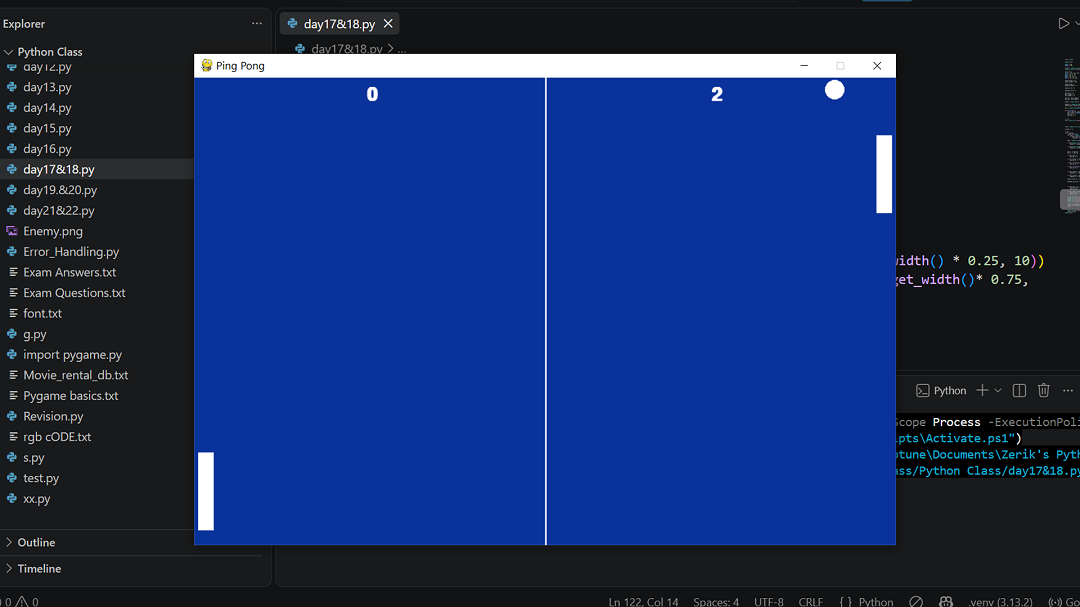
When a child spends a lot of time on a computer, it is easy to think of technology mainly as entertainment. But what if they could move from simply using technology to understanding how some of it is created?
That is where programming comes in. Python is one of the programming languages children can learn as they begin their coding journey. It has a readable syntax and can be used to create different types of projects. For a child who is curious about how games, apps, or computer programs work, learning Python can turn that curiosity into something practical.
As a parent considering online coding classes for your child, this guide explains what Python is, what children can learn from it, and what to look for in a beginner-friendly Python course. It also explains what a child can realistically expect from a first Python class.
What is Python, and Why Is It Suitable for Kids?
Python is a programming language used to give instructions to a computer. Instead of only using ready-made applications, a child learning Python begins to understand how programs are created.
One reason Python is popular with beginners is that its code can be relatively easy to read. A child can start with simple instructions, see the result on the screen, and gradually move to more challenging ideas.
Programming can look intimidating when a child sees a large block of unfamiliar code. A good beginner’s class does not expect a child to understand everything at once. It starts with small ideas and allows the learner to practice them.
Python also gives children room to experiment. They can change a line of code, run the program, and see what happens. If something goes wrong, they can make a change and try again. This makes Python programming less about memorising and more about understanding.
Inspire Young Minds with Live Coding & Tech Classes

Nyanya Learning Center
Services: Trainings, Mentorship, SIWES Placement, and Internship
What can Kids Learn From Python Programming?
A beginner Python course can introduce children to the basic building blocks of programming. These can include variables, data types, input and output, followed by conditionals, loops, functions, and lists.
For example, a child can create a programme that asks for a name and responds with a greeting. They can write a quiz that checks whether an answer is correct. They can use an if statement to make the computer respond differently depending on what the user enters.
Loops introduce another useful idea: repetition. Instead of writing the same instruction many times, the child can tell the computer to repeat a task.
Functions help children organise instructions into reusable sections. Lists introduce the idea of storing several pieces of information together.
The important thing is not simply knowing programming terms. Children should understand what each concept does and have opportunities to use it in their own small programmes. That practical understanding is what helps lessons stay useful beyond the classroom and gives children confidence to keep learning independently.
Can a Child Learn Python Without Previous Coding Experience?
Yes. A beginner does not need to arrive knowing how to program. And this also applies to a child. Early Code Institute PVC’s Python Programming for Kids course currently states that no prior programming experience is required. The course introduces children to Python fundamentals through exercises and projects and covers areas such as variables, conditionals, loops, functions, and lists.
This is important for parents because a child who has never written a line of code should not feel as though everyone else already knows what they are doing.
The first lesson gives children time to become familiar with programming. They may make mistakes, forget a command, or struggle to understand why a piece of code is not working. That is normal.
With a live tutor available to explain the lesson and respond to questions, children have an opportunity to receive guidance when they need it. PVC’s classes are delivered through live sessions with human tutors rather than relying entirely on pre-recorded lessons.
The learning experience can therefore become more interactive. A child can ask, “Why is something not working?” and get help understanding the problem instead of simply moving on.
What Can Kids Actually Build With Python?
One of the most exciting parts of learning programming is seeing an idea turn into something that actually works.
Children can begin with small projects such as calculators, simple quizzes, number guessing games, and text-based activities. As their understanding improves, they can combine different programming concepts to create more interesting projects.
For example, a child might create a quiz that asks several questions, keeps track of answers, and gives a final score. Another child might build a simple text adventure where the player chooses what happens next.
This is why PVC places practical projects within its Python for Kids course. The current course includes exercises, mini projects, and a final personal project alongside lessons on Python fundamentals, conditions, loops, functions, and lists. That feeling a child gets when he presents his/her project and say to you, “I made this myself,” encourages them, develops their confidence, and makes them want to learn more.
And Python does not have to be the end of the journey. Early Code Institute PVC also offers other kids' technology courses, including JavaScript Programming for Kids, Web Design for Kids, etc.
What Age Should a Child Start Learning Python?
There is no single age at which every child should start programming. Readiness can depend on a child’s interest, ability to follow instructions, comfort using a computer, and willingness to solve problems.
For its Python Programming for Kids course, PVC currently targets curious kids aged 7 and above. For parents, the bigger question is often not simply “is my child old enough?” It is. “Is my child ready for this type of learning?”
A child who enjoys puzzles, games, mathematics, technology, or figuring out how thighs works may find programming interesting. Another child may need a different type of introduction before becoming comfortable with coding.
The good thing about starting with a beginner course is that children do not need to know everything beforehand. They need curiosity, patience, and willingness to practise.
What Should Parents Look For in Online Python Classes for Kids?
Choosing an online programming class is about more than finding a course with “Python” in its title. Parents should consider how the lessons are delivered, how much support children receive, and whether they will actually get opportunities to practise.
This is one area where PVC’s approach to online coding for kids is particularly relevant. Early Code Institute’s Private Virtual Classes combine live instruction from human tutors with structured learning materials and additional support between sessions.
- Peer Classes: Bring children into small groups, with the platform currently describing peer classes as cohorts of up to five learners.
- Private Classes: Provide one-on-one instruction, personalised pacing and flexible scheduling based on tutor availability.
- AI Co-Tutor Integration: PVC uses an AI Co-Tutor to support learners between live sessions. Children can continue studying, review lesson content, ask questions an work on assignments outside their live tutor sessions.
Most importantly, parents should look for classes where children are doing more than watching someone else code.
According to educational research, early exposure to structured computer programming fosters critical computational thinking, problem-solving abilities, and algorithmic reasoning in young learners.- Association for Computing Machinery (ACM)
Is Python a Good First Step Into Coding for Your Child?
Python can be a practical starting point for a child who is ready to move beyond simply using technology and begin creating with it. It introduces programming concepts gradually while giving children opportunities to practise what they learn.
But the most important part of a child’s coding journey is not how quickly they can memorise commands. It is whether they understand what they are doing, learn how to solve problems, and gradually become confident enough to experiment.
This is the idea behind Early Code Institute PVC’s online coding classes for Kids. The platform is built around live tutor support, small class sizes, practical projects, and flexible learning options rather than leaving children to figure everything out alone.
With Early Code Institute PVC, your child’s coding journey can begin from home, with a live tutor, practical lessons, and projects that give them something real to build, instead of spending all their computer time consuming content, they can start learning how to create it. Discover all available learning pathways on our Early Code Programs Overview or explore our Hands-on Technical Training Programs in Abuja.
Early Code Institute Private Virtual Classes (PVC)Abuja, Nigeria & Online Worldwide
Official Portal: pvc.earlycode.net
Author's Bio

Anna Edeghoghene Enerieta
A Technical Writer and PublisherA creative storyteller who brings words and visuals to life, a technical writer who simplifies tech concept through clear, engaging content. With a background in English Education, writes practical guides and articles to help beginners navigate the digital world with confidence.