Ad by early code
Ready for a new direction?
Learn software development in Abuja and transition into a high-demand industry with excellent growth prospects
Affordable Tech School in Abuja - Multiple Courses With Specialized Instructors
Anna Edeghoghene Enerieta - Published January 15, 2026
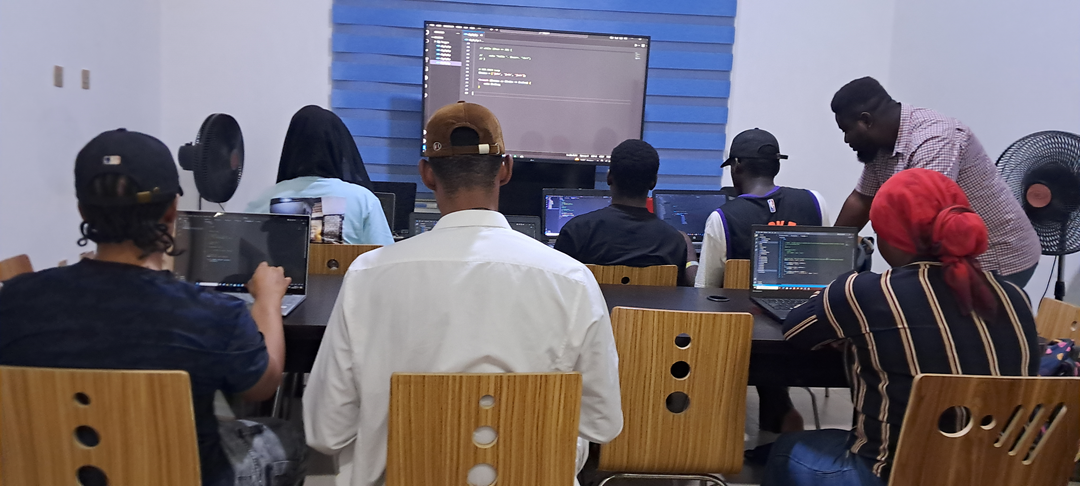
Early Code Institute isn't just a place to learn to code; it is your launchpad into a future-proof career in technology. We understand that true mastery comes from building, not just reading. Our program is designed to be your launchpad, bridging the gap between theoretical knowledge and the hands-on skills employers in Nigeria's burgeoning tech scene demand.
Practical classes are a game-changer for anyone serious about a tech career. They go beyond just theory, giving you real-world experience that is crucial for securing a job.
What is Software Development?
Software development is the systematic process of creating, designing, deploying, and maintaining software. It involves a set of activities, including conceptualization, design, programming, documentation, testing, and bug fixing.
This process transforms a user's requirements into a functional software product that solves a specific problem or fulfills a need.
Key Stages of the Software Development:
- Requirement Analysis: This initial phase involves gathering and analyzing the needs of the end-user
- Design: In this stage, a blueprint for the software is created. Developers outline the software's architecture, user interface (UI), and database design.
- Implementation/Coding: This is the core phase where developers write the actual code. Using a specific programming language, they translate the design documents into a working application.
- Testing: After the code is written, it is rigorously tested to identify and fix bugs, errors, and defects.
- Deployment: Once the software has passed all tests, it is released to the end-users.
- Maintenance: This final stage involves ongoing support for the software. Developers address issues reported by users, perform updates, and add new features to keep the software relevant and functional over time.
Debugging is performed by each software developer on their own code to confirm that the code does what it is intended to- Wikipedia
Learn Mobile App Development in Early Code Institute

Nyanya Learning Center
Services: Trainings, Mentorship, SIWES Placement, and Internship
Why Learn Software Development in Abuja?
Abuja is not just a political hub; it's rapidly transforming into a tech powerhouse. The city is filled with opportunities for aspiring developers who want to gain practical skills.
- Growing Tech Hub: The city is home to numerous tech startups, incubators, and established IT companies. This provides a fertile ground for job opportunities and entrepreneurial ventures
- Networking Opportunities: Attending meetups, conferences, and workshops allows you to connect with other developers, potential employers, and mentors
- Government and Corporate Presence: As the capital, Abuja has a strong presence of government agencies and major corporations that require software solutions, creating a steady demand for skilled developers.
- Access to Resources: Many training centers in Abuja have state-of-the-art facilities and partnerships with global tech firms, giving you access to cutting-edge tools and resources.
- Community Support: The local developer community is often very supportive, with various groups and forums where you can ask for help, collaborate on projects, and share knowledge.
- Diverse Industry Needs: From finance and healthcare to education and e-commerce, software development skills are needed across a wide range of industries in Abuja.
Benefits of Practical Classes
Practical classes are transformative because they focus on "learning by doing," which is the only effective way to truly master software development.
- Accelerated Skill Acquisition: You don't just memorize concepts; you immediately apply them to build real projects. This continuous loop of theory and practice solidifies your understanding far quicker than passive learning.
- Building a Job-Ready Portfolio: Every practical exercise and project you complete becomes an item in your professional portfolio. This tangible evidence of your ability is what employers look at first, not just a certificate.
- Enhanced Problem-Solving Skills: Real-world software development is all about debugging and troubleshooting. Practical assignments intentionally throw you curveballs, forcing you to develop the critical thinking necessary to overcome technical roadblocks.
- Increased Confidence: Successfully deploying an application you built from scratch gives you immense confidence.
Key Software Development Specializations
A typical software development course covers a range of topics, including programming languages and data structures.
- Front-End Development: Focus on the user interface (UI) and user experience (UX) using languages like HTML, CSS, and JavaScript, with frameworks like React or Angular. This is about creating beautiful, functional interfaces.
- Back-End Development: Concentrate on the server-side logic, databases, and APIs using languages like Python (Django/Flask) or Node.js. This ensures the application runs smoothly and securely behind the scenes.
- Mobile App Development (Native/Cross-Platform): Learn to build applications for iOS (Swift) and Android (Kotlin/Java) or use cross-platform tools like React Native or Flutter to reach the massive mobile market.
- Cybersecurity & Ethical Hacking: Focus on practical network penetration testing and securing applications and systems. With increasing digital threats, this skill is in high demand across all sectors.
Choosing the Right Training Center
Selecting the right institution is the most important decision you'll make in your learning journey. Focus on centers committed to hands-on training.
- Industry-Experienced Instructors: Look for instructors who are active professionals with current industry experience. They bring real-world case studies and cutting-edge best practices into the classroom.
- Job-Focused Curriculum: The program must teach in-demand technologies like Python, JavaScript, React, or Flutter.
- Structured Mentorship: A good center offers dedicated time for one-on-one or small-group mentorship where you can discuss your project challenges beyond regular class hours.
- Career Support Services: The best schools offer comprehensive support like resume building, mock technical interviews, and job placement assistance, helping you transition directly into the workforce.
Institution Offering Practical Classes: Early Code Institute
Early Code Institute stands out in the Abuja tech education landscape due to its singular focus on deeply practical, project-based learning models.
Our curriculum is meticulously designed to bridge the gap between classroom knowledge and industry demands, ensuring that every student graduates not just with a certificate, but with a portfolio of work ready to impress top tech firms.
- Core Project-Based Learning: Their entire curriculum is structured around building multiple full-stack applications. Students spend most of their class time coding, not just listening to lectures, ensuring skills are immediately applied.
- Industry-Vetted Curriculum: The institute constantly updates its modules to reflect the latest industry requirements, currently focusing on modern stacks like MERN (MongoDB, React, Node.js), which are in high demand.
- In-House Developer Instructors: The trainers at Early Code Institute are required to be currently practicing developers. This ensures the lessons taught are grounded in real-world professional standards and workflows.
- Dedicated Code Review Sessions: Students' work is subjected to regular, professional-level code reviews. This process teaches developers how to write clean, efficient, and maintainable code, a critical industry skill.
Hands-on Training Methods for Developers
When it comes to learning software development, the "how" is just as important as the "what."
In Abuja, a city with a rapidly growing tech ecosystem, a practical, hands-on approach is the key to turning knowledge into a marketable skill.
Hands-on training methods go beyond passive listening and reading, immersing students in the active process of building, debugging, and collaborating.
- Project-Based Learning: This is the cornerstone of effective software development training. Instead of isolated exercises, learners work on a single, comprehensive project from start to finish.
- Live Coding Sessions: Instructors don't just lecture; they code live, often with students following along on their own laptops.
- Milestone Projects: Throughout a curriculum, students tackle significant, well-defined projects that serve as checkpoints for their learning.
- Code Reviews: Hands-on training includes this step, where instructors or senior students review your code, providing constructive feedback on efficiency, style, and best practices
- Real-World Scenarios and Debugging Drills: Practical training exposes you to intentional errors and real-world problems. You'll learn to use debugging tools, read error messages, and logically trace your code to find and fix issues.
Author's Bio

Anna Edeghoghene Enerieta
A Technical Writer and PublisherA creative storyteller who brings words and visuals to life, a technical writer who simplifies tech concept through clear, engaging content. With a background in English Education, writes practical guides and articles to help beginners navigate the digital world with confidence.